 how-to
Is Educational Screen Time Considered Healthy for Kids?
Last Updated: October 26, 2026
Quick Summary
Is educational screen time considered healthy for kids? The answer is nuanced and depends on content quality, adult involvement, duration, and context. Educational, age-appropriate content watched with an engaged adult can make screen time a positive learning experience, while research shows both beneficial and detrimental effects depending on how it's used.
- The American Academy of Pediatrics recommends no more than one hour of screen time daily for children aged 2-5, and it should be educational and co-viewed.
- Active screen time where children solve problems and create is more beneficial than passive watching, even if the content is educational.
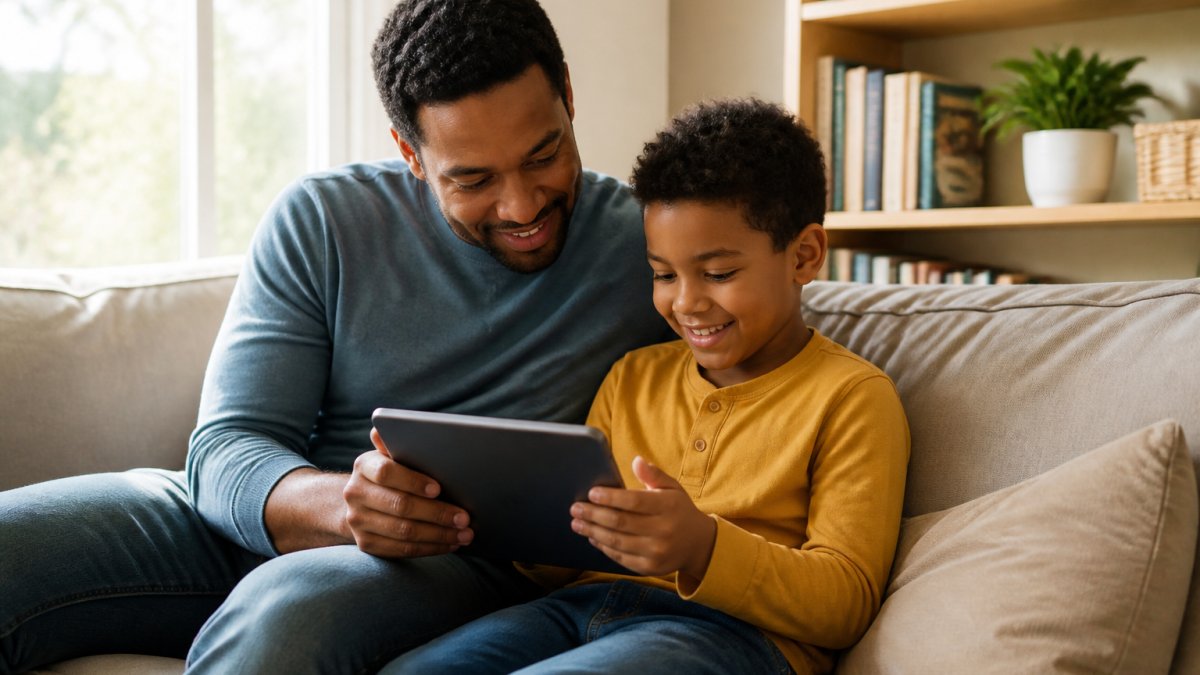
- Co-viewing with caregivers who pause, ask questions, and connect learning to real life significantly improves educational outcomes.
- Screen time should not replace essential activities like sleep, physical play, face-to-face interaction, and unstructured creative time.
Table of Contents
- What the Research Says About Educational Screen Time for Kids
- Screen Time Guidelines for Children by Age
- Benefits of Educational Screen Time When Done Right
- Active vs Passive Screen Time: Which Builds Real Skills
- How to Build Healthy Screen Time Habits for Kids
- The Real Risks: What Excessive Screen Time Does to Child Development
- Making Educational Screen Time Work in Your Classroom or Home
- Frequently Asked Questions
What the Research Says About Educational Screen Time for Kids
Is educational screen time considered healthy for kids? The answer is more nuanced than a simple yes or no. According to research on screen media effects from PubMed Central, screen media may have both beneficial and detrimental effects on children's cognitive outcomes, depending on the content, duration, and context of use.
Here's what separates healthy educational screen time from the problematic kind:
- Content quality: Does it teach a real skill or just entertain?
- Adult involvement: Is a caregiver present and engaged?
- Duration: Does it fit within age-appropriate limits?
- Context: Is it replacing essential activities like sleep or physical play?
The research shows that educational, age-appropriate content watched with an engaged adult can make screen time a positive learning experience, while also emphasizing the importance of offline time for developing self-regulation and creativity.
Screen Time Guidelines for Children by Age
Screen time recommendations vary by age, reflecting what research shows about development at each stage.
Under 18 Months
For children under 18 months, minimize screen time. According to the American Academy of Pediatrics, children under age 2 averaged 1 hour and 3 minutes of media use per day, but that isn't optimal. Babies learn through direct interaction: face-to-face language, tactile exploration, movement, and routines. If screens occur, use high-quality programming co-viewed with a caregiver who talks about what's on screen.
18 Months to 5 Years
The American Academy of Pediatrics recommends no more than one hour of screen time per day for children aged 2-5, and that screen time should be educational and co-viewed whenever possible.
This age group develops rapidly in language, social skills, and problem-solving. Educational screen time supports learning when a caregiver watches together, content teaches specific concepts, it's interactive, and it doesn't replace critical activities. For 18-24 months, the American Academy of Child and Adolescent Psychiatry recommends limiting screen use to educational programming watched with a caregiver present.
School-Age Children (6 and Up)
School-age children can handle longer, more independent screen time if it's purposeful. Whether is educational screen time considered healthy for kids depends heavily on what they're doing on screen. Healthy patterns include 1-2 hours of quality educational content daily, a mix of interactive and instructional programming, no screens 30-60 minutes before sleep, balance with physical activity and offline play, and parental awareness of content.
Benefits of Educational Screen Time When Done Right
Personalized learning at the child's pace:
Immediate feedback:
Engagement through interactivity:
Research from the American Academy of Pediatrics Council on Communications and Media confirms that educational, age-appropriate content watched with an engaged adult can make screen time a positive learning experience.
Building 21st-century skills: Coding, computational thinking, and digital literacy are no longer optional. CodeAlgo Academy's game-based platform teaches them through problem-solving rather than memorization.
Accessibility for different learners:
Active vs Passive Screen Time: Which Builds Real Skills
Passive screen time means watching with no interaction. The child receives information but isn't challenged, not making decisions, solving problems, or creating anything.
Active screen time means the child does something on screen: solving problems with immediate results, making choices that affect outcomes, creating (code, art, music, a story), and adjusting based on feedback.
Educational platforms like CodeAlgo Academy are designed for active learning. Watching a coding tutorial without practicing is passive, even if educational.
How to Build Healthy Screen Time Habits for Kids
Building healthy screen time habits requires intentional planning, not just setting limits. Learn how to support your child's learning journey at home with tools for progress tracking and healthy screen time management. Here's how to make educational screen time work in your home or classroom.
Co-Viewing and Caregiver Involvement
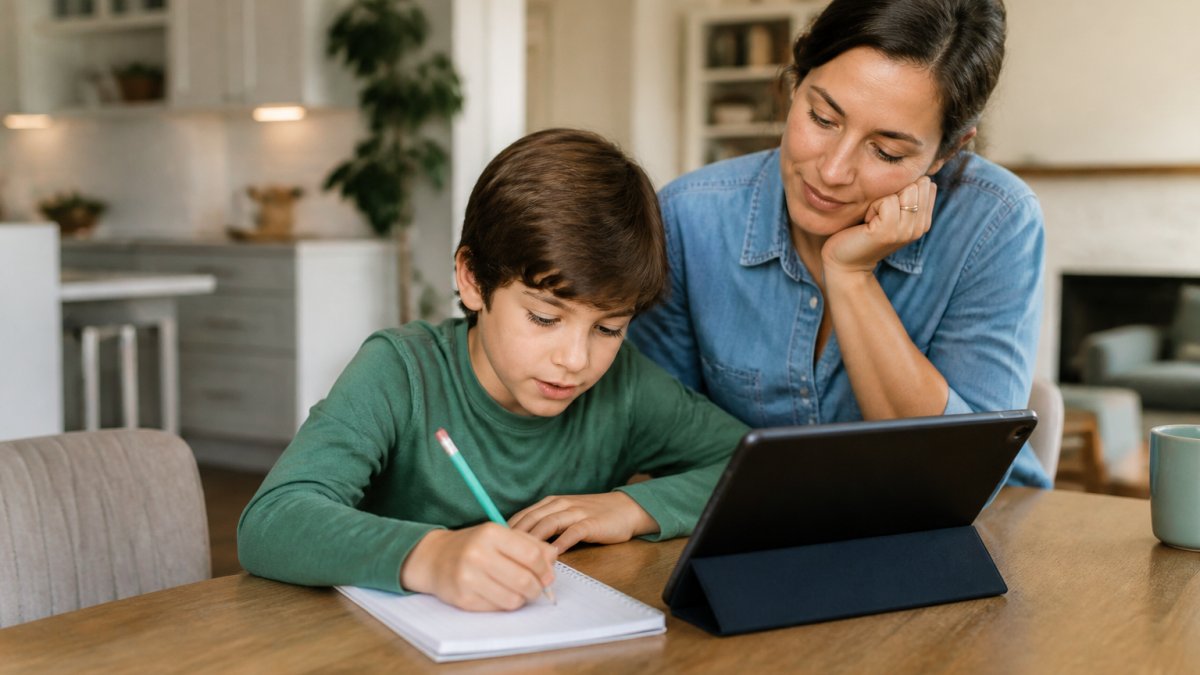
When you co-view, you can:
- Pause and ask questions: "What do you think will happen next?"
- Connect to real life: "You just learned about fractions in that game. Let's measure ingredients in the kitchen."
- Reinforce learning: "That was tricky. Tell me how you solved it."
- Catch misconceptions: "That's not quite right. Here's why..."
- Model curiosity: "I didn't know that. Let's find out together."
Evaluating Apps, Games, and Educational Programs
CodeAlgo Academy's platform includes measurable math assessment growth and adaptive learning paths.
A Sample Daily Routine with Balanced Screen Use
This routine balances educational screen time with the offline activities children need: physical play, face-to-face interaction, sleep, and unstructured time for creativity. Consistency is key: when children know screen time happens at specific times and is followed by other activities, they're less likely to fight transitions or ask for "just five more minutes."
The Real Risks: What Excessive Screen Time Does to Child Development
Watch out: if your child is using screens to avoid difficult emotions, to escape social situations, or as a reward for good behavior, you may be building an unhealthy relationship with technology. Screen time should support learning and growth, not serve as emotional regulation or a substitute for real-world problem-solving.
Making Educational Screen Time Work in Your Classroom or Home
For concrete strategies on integrating technology effectively in educational settings, see guidance on implementing technology in K-8 classrooms, which offers practical frameworks for teachers and parents. CodeAlgo Academy's platform includes adaptive learning paths and measurable math assessment growth.
Get started with Productive Screen Time for Kids: A 2026 Parent Guide for a complete framework, evidence-based guidelines, and practical activities that turn screen time into active learning. CodeAlgo Academy's platform builds coding, math, and AI literacy skills through game-based learning that develops critical thinking and problem-solving abilities.
| Screen Time Type | Duration | Best For | Key Requirement |
|---|---|---|---|
| Educational with co-viewing | 15-30 min | Ages 18 mo-5 yr | Adult present and engaged |
| Self-paced educational platform | 20-45 min | Ages 6+ | Clear learning goals; progress monitoring |
| Classroom technology instruction | 30-45 min | All ages | Teacher-led; aligned to curriculum |
| Passive video consumption | Minimize | All ages | Only if educational; limit to 10-15 min |
| School-required digital learning | As assigned | Ages 6+ | Parent awareness of content and time |
Frequently Asked Questions
What counts as educational screen time versus passive screen time?
Educational screen time involves interactive content that requires problem-solving, decision-making, or active participation, like coding games, math challenges, or programs where children answer questions and see immediate feedback. Passive screen time is watching videos or animated shows without interaction. The key difference: active screen time engages the child's thinking; passive screen time is consumption. Research shows active, purposeful screen use with caregiver involvement can support learning, while excessive passive viewing may displace sleep, play, and physical activity.
How much educational screen time is healthy for kids?
The American Academy of Pediatrics recommends no more than one hour per day for children aged 2-5. For school-age children, limits depend on whether the screen use is school-required or recreational, and whether it replaces sleep, exercise, or face-to-face interaction. Educational content watched with a caregiver present is more beneficial than the same duration watched alone. The quality and context matter as much as the duration, one hour of interactive, co-viewed learning is different from one hour of passive viewing.
Does educational screen time count toward daily screen-time limits?
Yes, educational screen time counts toward daily limits. However, health guidance increasingly distinguishes screen use by age, content quality, and caregiver involvement rather than applying a single limit to all screen use. School-required educational screen time (like online math lessons) and recreational screen time should be tracked separately so you can see the full picture of your child's day and ensure screen use doesn't displace sleep, physical activity, or offline learning and play.
What are signs that a child is getting too much screen time?
Warning signs include disrupted sleep, reduced physical activity, difficulty concentrating offline, irritability when screens are removed, neglecting outdoor play or face-to-face friendships, eye strain, and declining academic performance. If screen time is crowding out sleep, exercise, reading, creative play, or social interaction, it's too much, even if the content is educational. Pay attention to whether your child can transition away from screens without distress and whether they're engaged in a balanced range of activities throughout the day.